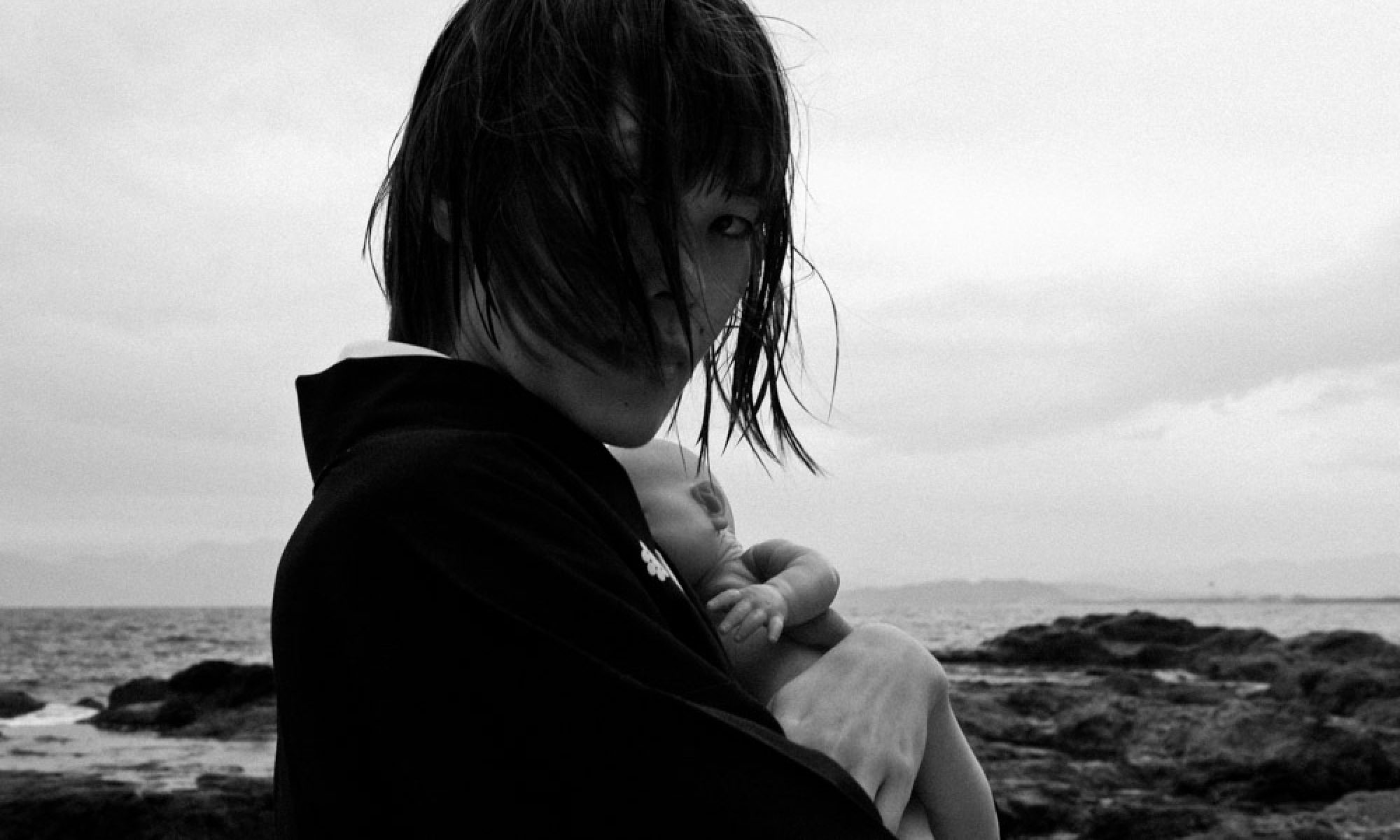
”I tore off the logo since I don’t like logos.”
Thank you! Really appreciate it.
http://japancamerahunter.com/2013/02/in-your-bag-no-413-jaakko-saari/
Leica M8 Seduction
Leica’s M8 used to be a camera that I never really had interest to. Crop sensor, infrared issues (requiring filter) you know, it was Leica’s first attempt to make a digital camera and I read many negative reviews about it.
I just thought that I would rather go for M6 and get a full frame camera via 35mm film and be happy for the rest of my life.
But now, since M8’s price came down (in fact you can get used M8 with around same cost as Fujifilm X-PRO) I find myself attracted to this camera. M8 is less than half the price of M9, and still it is a real rangefinder Leica, and accepts all the great optics.
The shortcomings of the M8, such as poor JPG’s, requirement of infrared filter, and the crop sensor, doesn’t weight so much in my scale. For me I care much more about the spirit of rangefinder focusing, feeling connected to the scene you’re shooting.. and of course, the culture of manual photography which is so genuinely embraced by Leica.
Looking at Leica M6
My ex girlfriend used to carry her M6 with her at all times but she rarely let me touch it. I merely envied her from a distance while she shot beautiful shots with her rangefinder camera. She always talked about “spirit of a photography” and she never carried a digital camera with her, unless she was shooting for a job. I suppose it wouldn’t be too much to say that like for Cartier-Bresson, her Leica was extension of her eye.
My friend borrowed me recently his Leica M6 TTL with 50mm Summilux ASPH.
I am moved, and amazed by this classic, legendary camera.
50mm Summilux ASPH lens has a focusing tab which allows quick focusing with index finger. It feels just right and for me the tab makes huge difference. Only in few days, I learned to approximate distances and adjust the focus roughly, only requiring a fine adjustment when lifting the camera to my eye. Same goes with metering. When shooting with a camera like this, you learn quickly to read light.
Although this camera has metering, the camera works perfectly without any electricity. I assume that pros who use Leica might not even use the metering since the red arrows in viewfinder might only be a distraction.
The viewfinder of M6 is best thing I’ve ever seen and beats my 5D Mark II and Fujifilm X100 viewfinder in clarity and sharpness. Rangefinder focusing is a pleasure, especially after you learn not to block the rangefinder window with your finger while holding the camera..
M6 is also the most solid camera I’ve ever handled. Although this means also that the camera is probably the heaviest compact camera of it’s size, the solid construction has it’s benefits. This is a camera you can take into a war. Brass (or zinc) is really strong material, and the camera is perfectly balanced. It’s very easy to hold this camera steady when shooting and this will result in sharper photos.
You have to hold one in your hand to understand. This camera is built to last a lifetime.
The mechanics of the camera feel assuringly strong as well. Pressing the shutter results a satisfying click, which is not too loud or disturbing. Although my friend’s camera came with a motor winder which is very silent and fast, I realized I rather prefer manually advancing the film by using the lever.
Although loading film is a bit of a nuisance, I find something honest and precise about loading Leica M6. It’s simply built to be as fool-proof as possible.
Since this is a full frame camera (35mm film), 50mm lens gives you plenty of coverage but also plenty of bokeh.
I think 50mm ASPH is probably the lens I would buy for Leica. The lens is razor sharp and I was unable to detect any kinds of artifacts in the image. Even the widest F1.4 aperture is tack sharp. I can’t imagine any kind of lens of this size (being F1.4!) being that sharp wide open. The nine blade aperture gives creamy, soft bokeh. Also the transition between focus and out-of-focus areas is beautiful and natural.
Overall, there is something very natural about the image quality of Leica.
Since the price of M6 came down recently, this camera seems very attractive option for many photographers. Sure, dealing with film is troublesome and also expensive if you shoot a lot.
But if you are serious about photography, I really recommend at least trying out photography with a rangefinder camera. There is something beautiful and artistic about the process of setting everything manually, and it’s possible to find entirely new aspects of photography when shooting with a classic camera such as this.
Unlike when shooting with SLR, nothing will obstruct your vision when you press the shutter. It’s possible to feel much more connected to the scene you’re shooting.
If Cartier-Bresson would be still with us, I would imagine he’d still carry his Leica with him. In today’s world of digital cameras it’s refreshing and delightful to shoot with a camera designed so meticulously to fulfill a single purpose.
Leica M6 is not a calculator. It’s a camera.
First shots with Leica M6
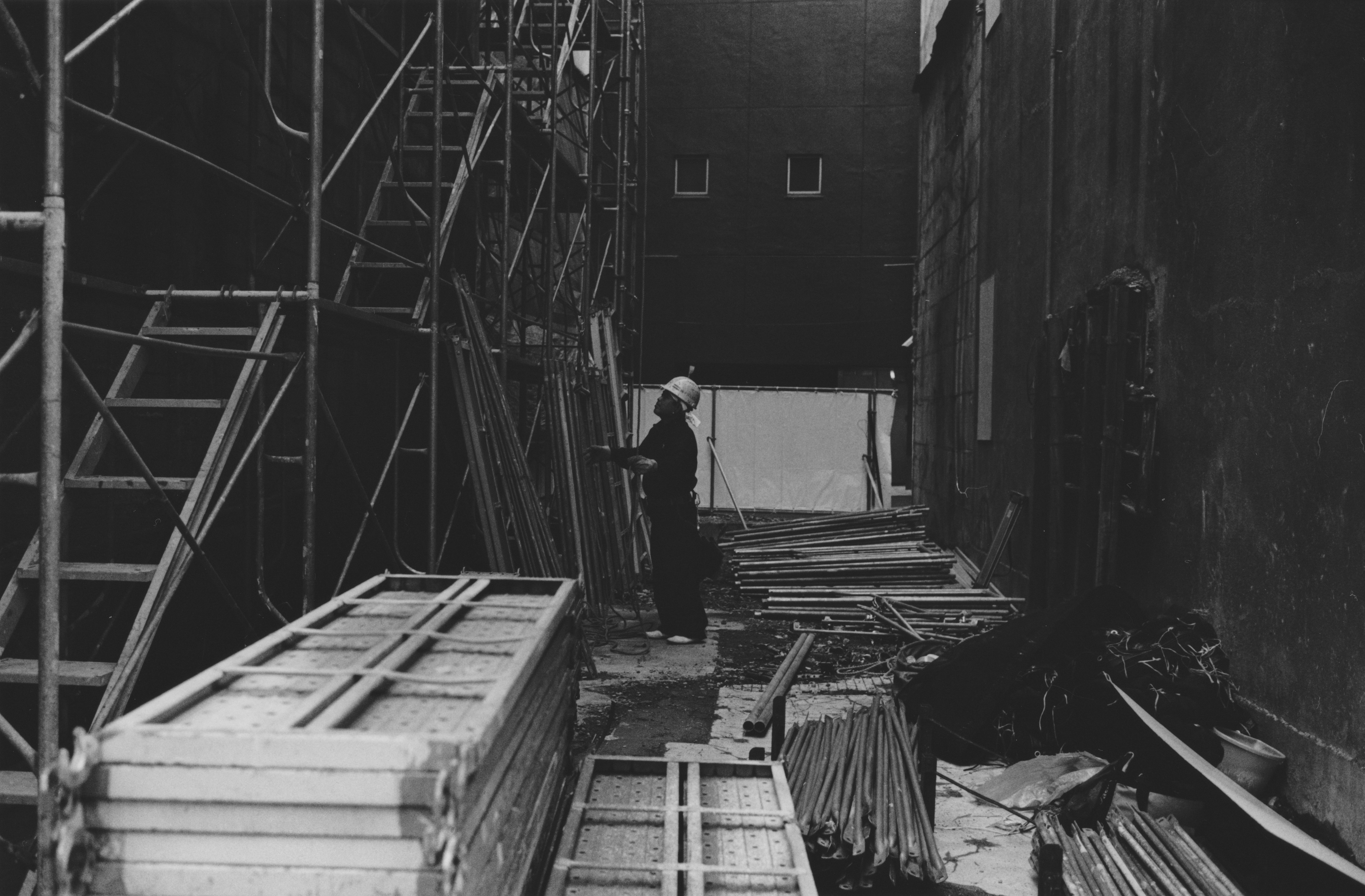
I went to Dark Room Intl. in Yokohama yesterday to develop the Kodak T-MAX 400 film I shot with Leica M6 and made some prints.
The process of developing the film was very interesting. It involved putting the undeveloped negative into the spiral shaped holder and container in complete pitch black darkness, changing fluids and rinsing the film various times.
The results are impressive. I especially like the lower tones of the monochrome. It looks to me that 400 TMAX and Fujifilm Varigrade WP monochrome paper are very good combination.
The original negative of from the Leica is razor sharp result of the 35mm ASPH. Summicron lens.
These tests are simply scanned prints, because I want to show the result of the Varigrade paper. I intend to scan the original negative with film scanner in near future and see the result.
Film has almost human aspect in it’s analog workflow. It requires physical movement of the artist’s hand. Watching your image forming into a white sheet of paper is something all photographers should experience. It’s refreshingly different than working with digital data.
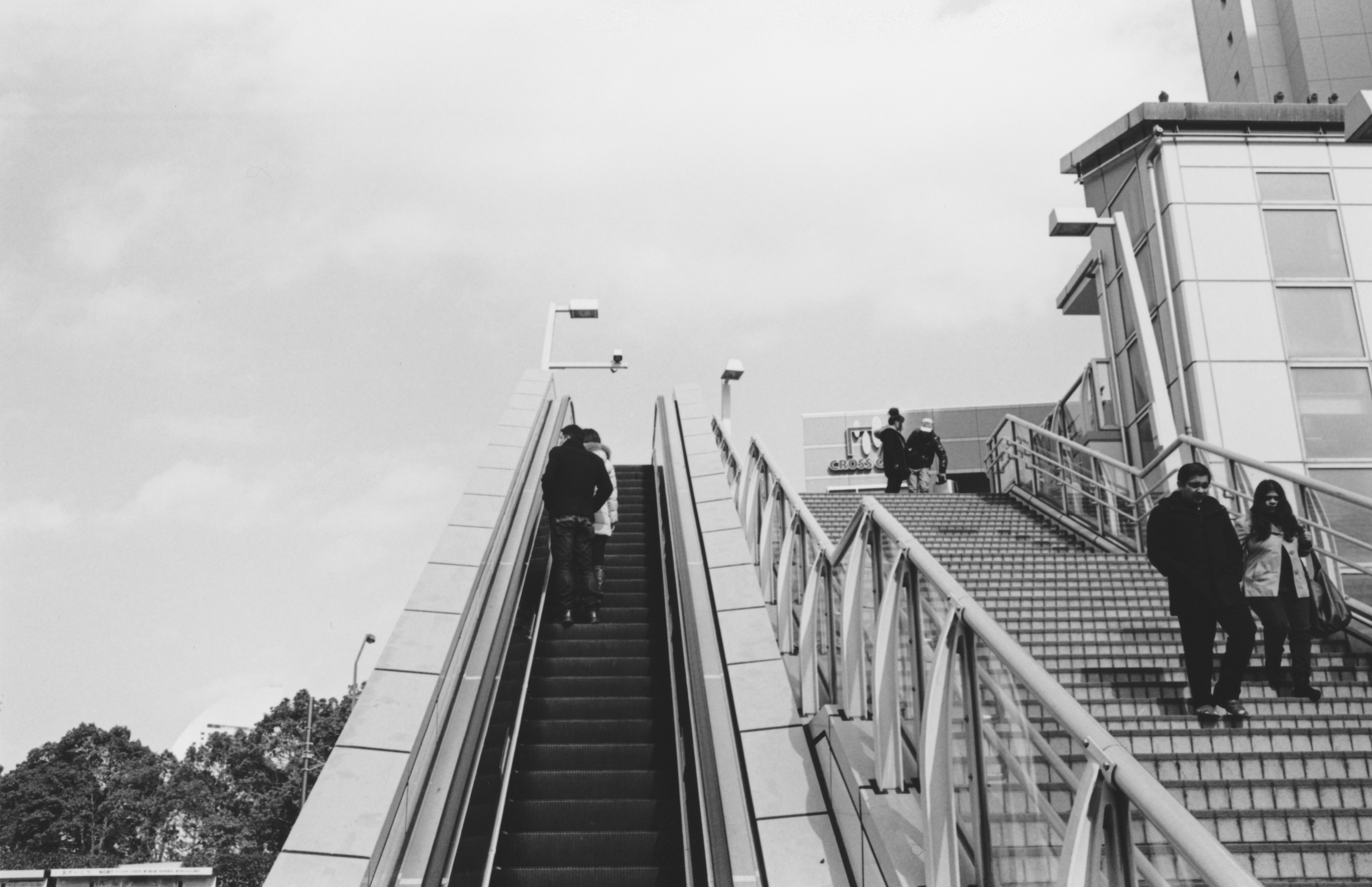
Lunch with Naoto
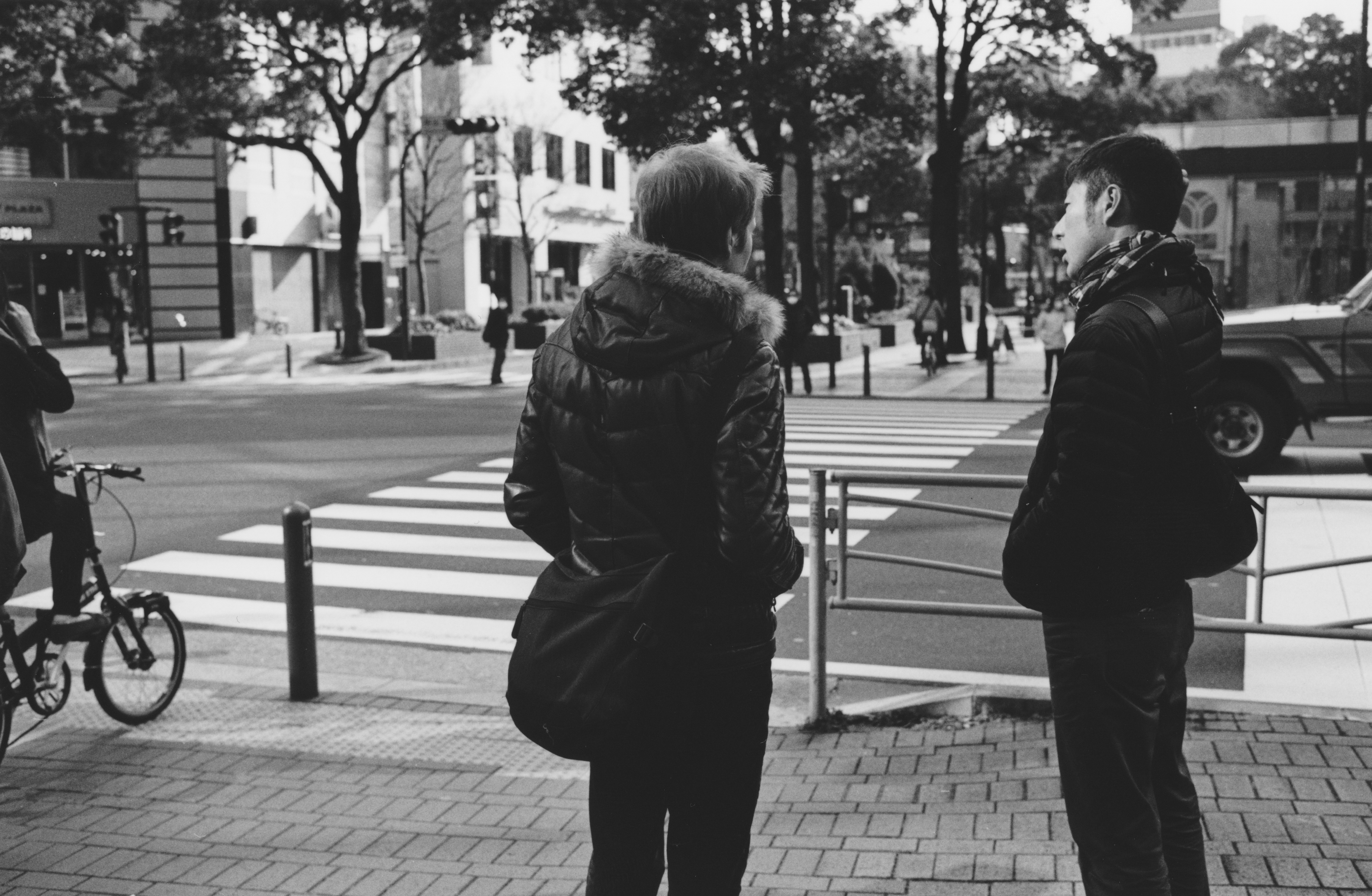
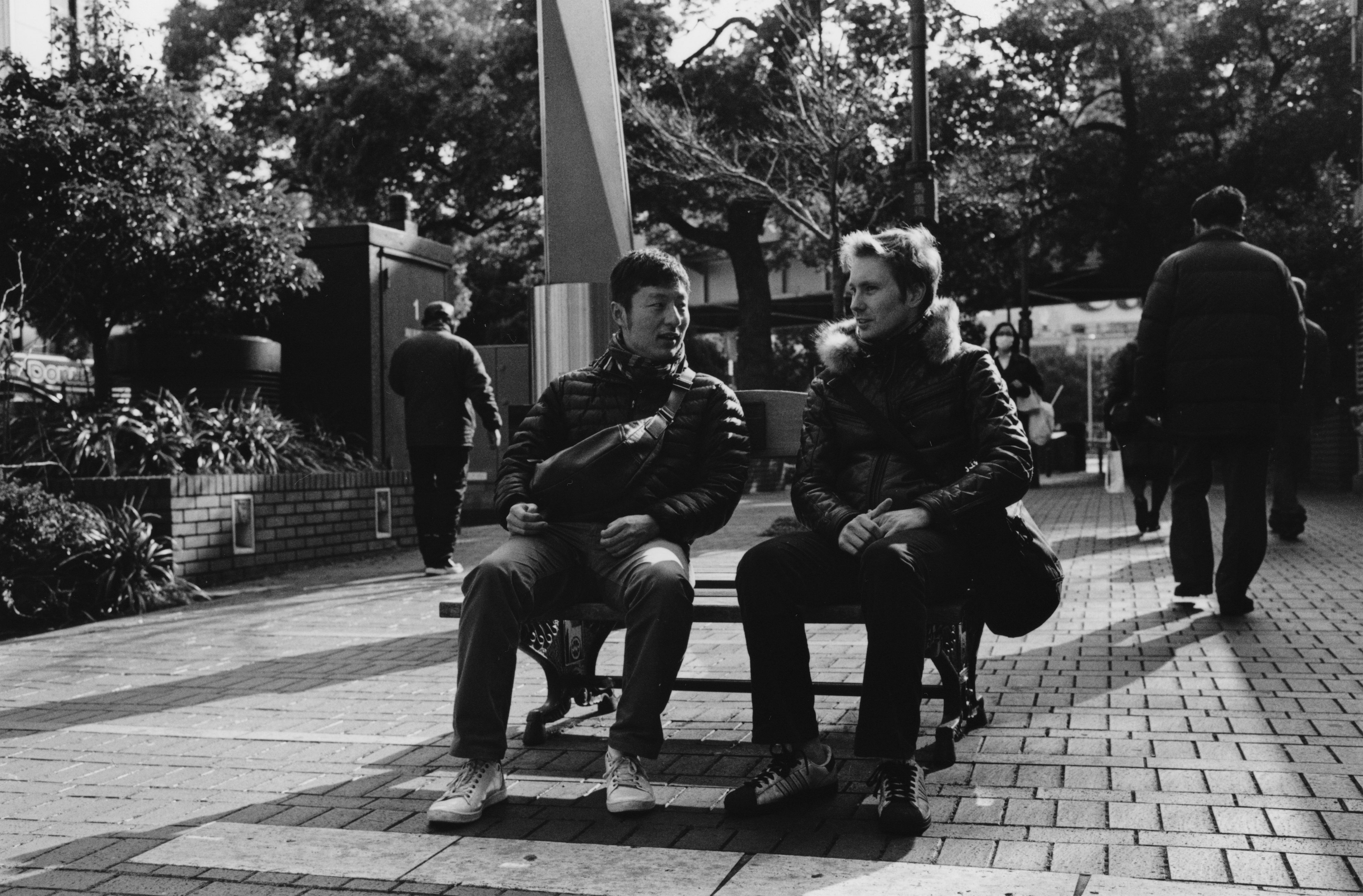
I had great talk with Naoto today for lunch. We went to Tsubame grill in Shin-Yokohama and we talked (as usual) about cameras and photography.
Naoto is the man behind Zero Stage nickname in Flickr. I saw his previous photos in Eroguranmasse exhibition in Yokohama last summer and I was impressed.
He says he can’t draw and has no artistic drive. His photos, however, tell a different story. He frames his nudes strongly but exquisitely, his camera painting beautiful images that do excellent justice for the organic curves of female body.
Obviously his deep understanding of monochrome and film photography in general must have something to do with the excellent result. But I would say that it’s his artistic talent which drives him to capture female beauty in such passionate and beautiful way.
My personal favorite of his work would be the nude woman in empty bath tub. The light is soft like afternoon light, and the model has relaxed but expecting look. She is both proud and fragile. This is just one of his works that have this sensitive erotic appeal to them.
Naoto’s eyes shines when he talks about film. He said that he wasn’t so interested about photography when he used digital camera. He said only after he started using film, he got really interested in photos.
I am really looking forward to see his incoming exhibition later this month. In the meanwhile, thank you Naoto-san for borrowing me your Leica M6.
(We both ended up in cover of March edition of Yokohama Seasider. Oh, we lucky handsome gentlemen!)
Regarding build quality
I think my Fujifilm X100 is pretty nice camera regarding the it’s construction and build quality. The camera is also very light which makes it far more portable than any DSLR.
However the camera does not begin to compare to Leica’s M series. Their fit and finish is really something unrivaled. You have to hold the camera in your hands in order to understand. It’s Leica and it you can bring it to war.
Showing my X100 to pro photographers, most likely comment I get is “oh it’s so light” hummmm! Yeah, but you know, if you have lugged M6 around for couple of decades, that’s what you’re going to feel when holding such tiny digital wonder in your hands for the first time.
And I wouldn’t bring my X100 to war.
While magnesium alloy is remarkably nice material for cameras, you can’t beat brass (or titanium). It feels just right.