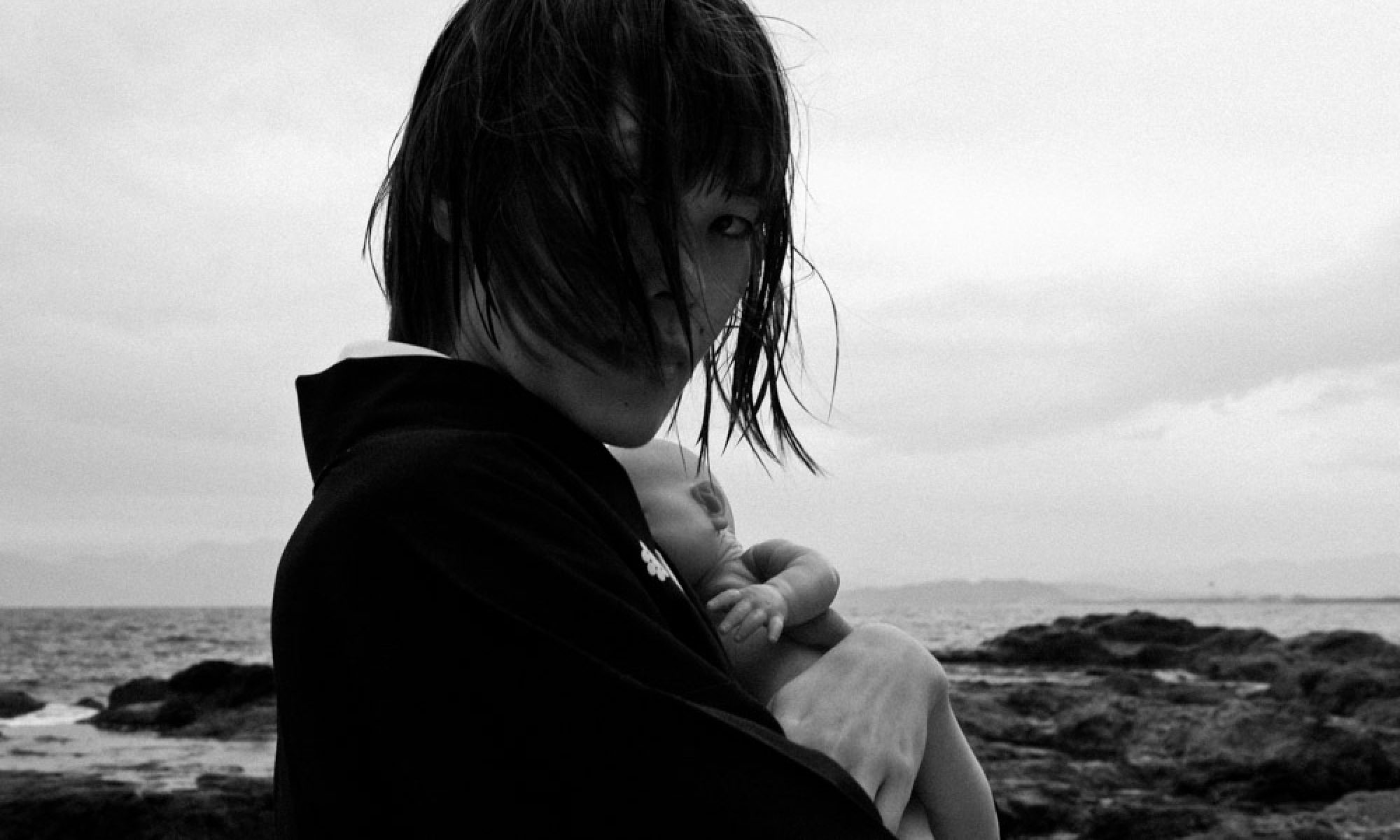
Regarding Araki's Photos

“Upon closer scrutiny, his subjects are always alone, finding contact difficult, as if preoccupied by a sense of absurdity, a sense that communication between human beings trapped in solitude is impossible.”

Germano Celant’s description of Araki’s photos is remarkably deep and true. This is the very reason why I like Araki; it’s the very loneliness that’s realised in often erotic subject matter. His subjects never look satisfied, but rather isolated and needy; the women look almost like as if they are orphans missing their long lost family members. Solitude fascinates me; that’s why I love Araki.

Sentimental Journey is undoubtedly one of his most personal and most powerful words. The universal message of extreme solitude and loneliness goes across the language and any cultural barrier. I was almost literally in shock for a period of time after seeing the photo series; it was just so powerful message.

Although Araki can be considered very Japanese photographer, he is at the same time very international, because art itself knows no borders. It could very well be that Araki is and will be my favourite photographer.
Araki (Portfolio)

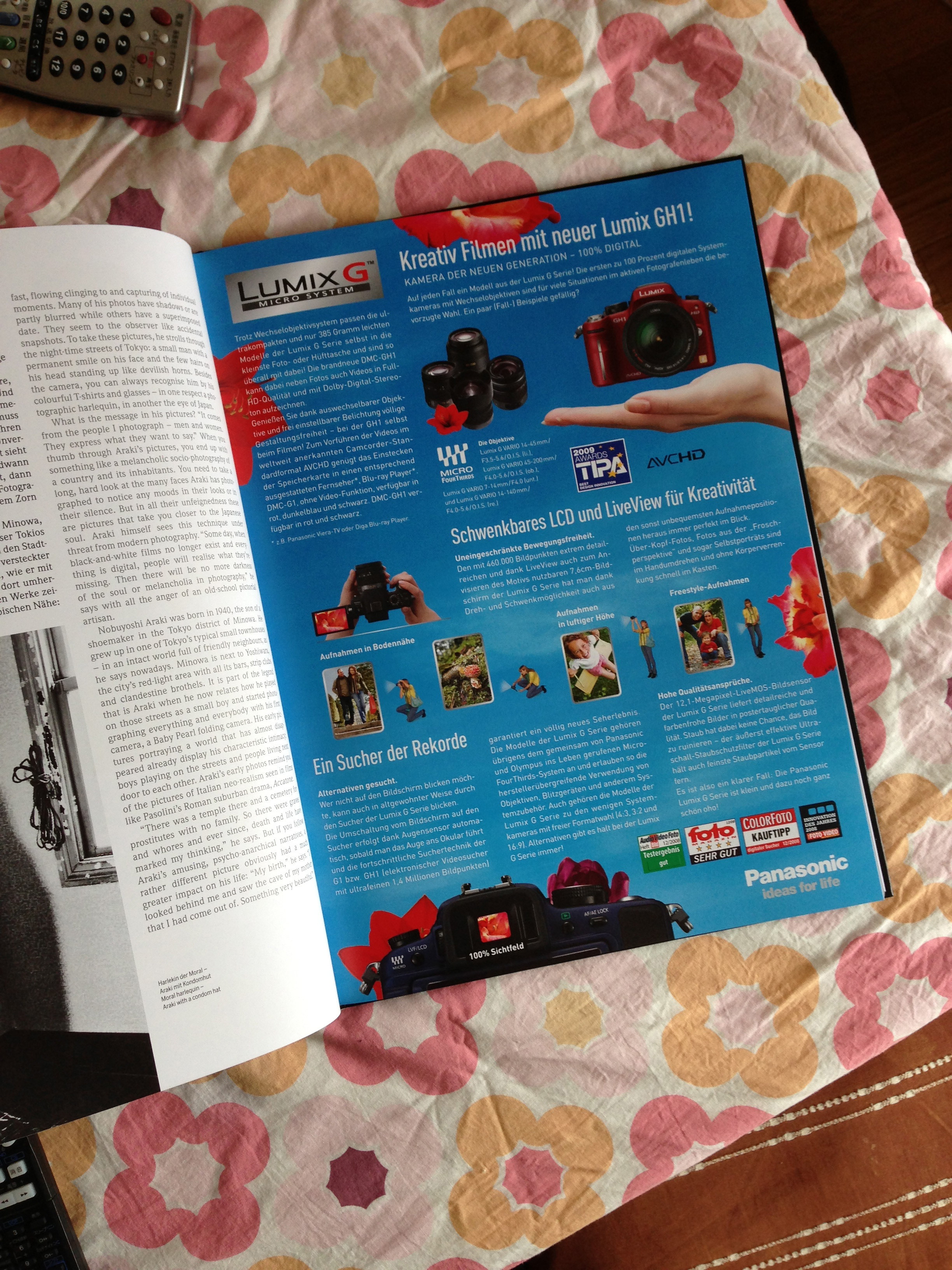
I had my recent WTF moment when I opened “Araki (Portfolio)” which I bought from Amazon. The book has awful Tamron and Sigma ads which feels like someone pouring cold water on you while you are having sex. Ads just don’t belong to art book! You can’t even rip the ads off the book since they are integrated into the pages.

Anyway, the sentence first page by the Stern-Art-Director Donald Schneider kinda made me sad: “It wasn’t that I hadn’t seen any sex, porn or SM photos before…”. It’s obvious that the director himself does not understand the deeper meaning or context of Araki’s work. I don’t know how Araki’s photos are perceived in Germany, it might be something cultural, but they sure didn’t receive this bad treatment in Kiasma in Helsinki!

The other introduction by Jochen Siemens is kinda okay, nice little text to accompany Araki’s photos. There is also a short interview with Araki which is kinda nice.

I regret however buying this book since there are tons of much better publications which portray Araki’s work in more spiritual and sensitive way. I definably recommend to skip this book unless you love ads featuring years old camera equipment.