As a professional photographer, the most asked question I get might be, “what kind of camera should I buy”. A friend recently presented me this question, and opportunity to consider.
I strongly believe joy of photography is never about the camera. Araki said once that if taking a photo is like writing a love letter, any camera will do. When you have passion, you use whatever you have at your disposal, it doesn’t matter if it’s ballpoint pen or pencil. There is a rumour that famous Japanese photographer Moriyama Daido has never even bought a camera, but used compact cameras presented to him by his friends.
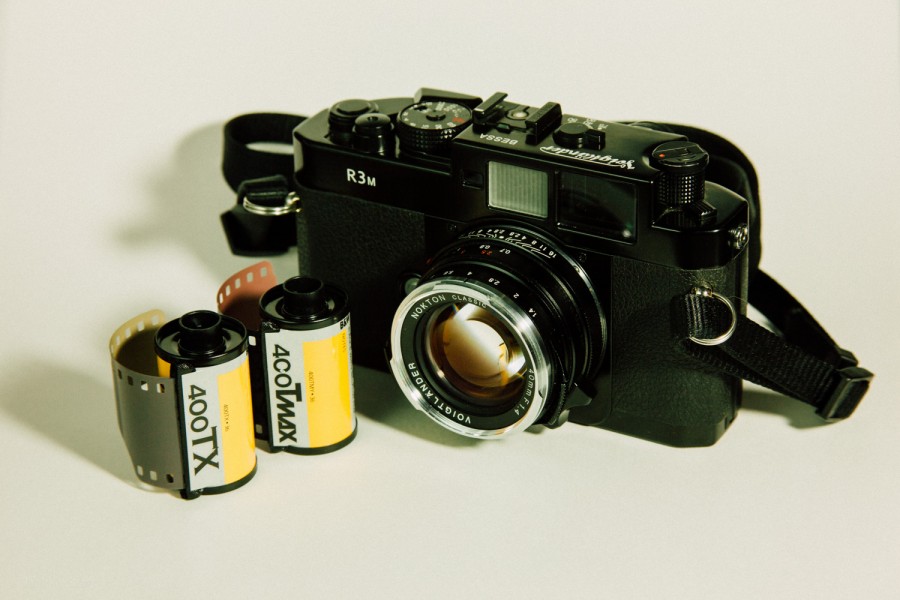
I generally recommend people to avoid buying too expensive gear, whether analog or digital. The friend I mentioned was wondering whether he should get one with full frame sensor or not. Indeed it’s tempting and I have been weak for this temptation too. Seeing the specs of latest and greatest full frame cameras crop sensor feels like a compromise. Same thing happens with film rangefinder cameras, Bessa for example seems like a cheap clone of Leica, lacking the same historical magnitude and “properness” of the “real thing” despite the fact that they use same mount and can even use same lenses.
It’s tempting to think that having such great (or even legendary!) camera at your disposal might inspire you to take more pictures. This is a common illusion. I would propose that having too expensive camera might kill the very joy of photography; guide you to the wrong track. Eric Kim wrote excellent piece on GAS, Gear Acquisition Syndrome. Please read it before you invest money into expensive camera.
But for sure in world of digital photography, there must be a difference in image quality of cameras? There are, and each camera has their own feel what comes to colour reproduction and fidelity. But no matter how you put it; all digital cameras that are sold nowadays have a ridiculously good IQ. Heck, even iPhone can take photos that have ridiculously good image quality.
But… for sure cameras are beautiful objects with stunning cultural value? Especially that Japan Camera Hunter Leica M3 which is in perfect mint condition, or perhaps some brass showing underneath.
Well, let me ask you this, are you willing to take that mint camera with you when you go hiking? A bear might eat it! You might accidentally pee on it. Or what if it gets stolen? Will you be able to replace it? In the contrary to urban legend, even professional photographers do occasionally drop their cameras.
Instead of keeping it with you, would you be more likely to leave the expensive camera in it’s padded expensive box, tucked in the safe corner of your bookshelf?
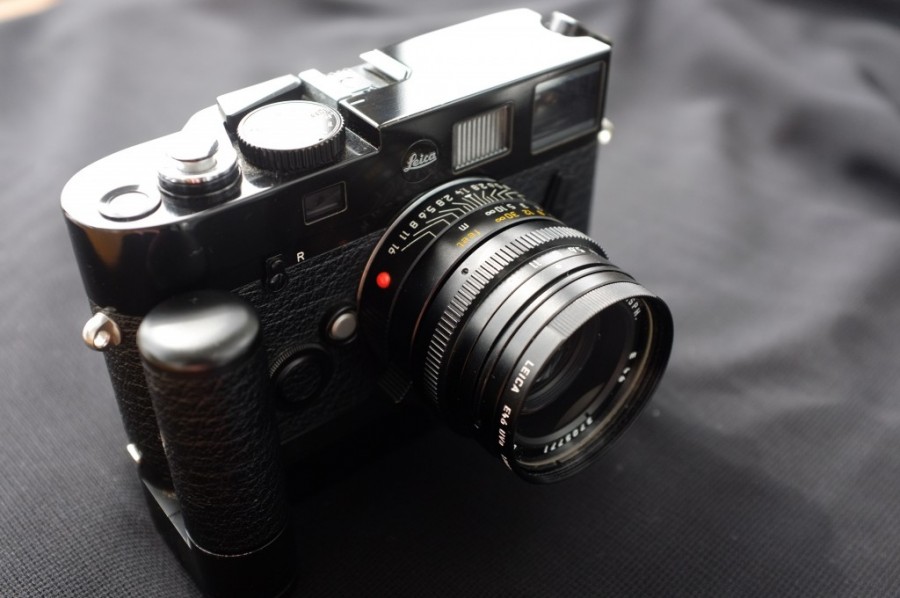
I do not know the answer to that question. But I have borrowed my friend’s rare copy of Leica M6 with a brand new lens, protective UV filter on it and all. It was some sort of rare collector’s edition. My friend didn’t want me to use a neck strap because the strap might scratch the camera.
As you might expect I did not take very many pictures with the camera. I was afraid to even point my eyes on that thing for too long.
I would like to approach the problem from purely practical standpoint. What will you shoot and in what kind of lighting conditions?
Digital Camera Recommendation
It seems like the megapixel race has calmed down somewhat during the past years but I’ll write this; digital camera megapixel count and actual resolution are different matters. Often a camera with smaller megapixel count might even do better and achieve a better image quality. This was the case with EOS50D. The increased megapixel count versus the previous model EOS40D worsened the image quality somewhat and caused some softness to the images. I would even argue that images taken with my X100 allow to be further enlargements than ones with my 50D despite the fact that 50D has larger sensor. I would argue that megapixel count is a minor factor to consider, unless you plan to make very large prints.
 For someone new to photography, I would recommend Olympus Pen series, or other mirrorless cameras that allow you to change optics, such as Fujifilm. Having at least one prime lens (a lens with fixed focal length) is a great way to get accustomed to good photographic techniques such as zooming with your feet and getting more connected with your subject. Prime lenses are also sharper. Normal lens range (50mm) is a good starting point.
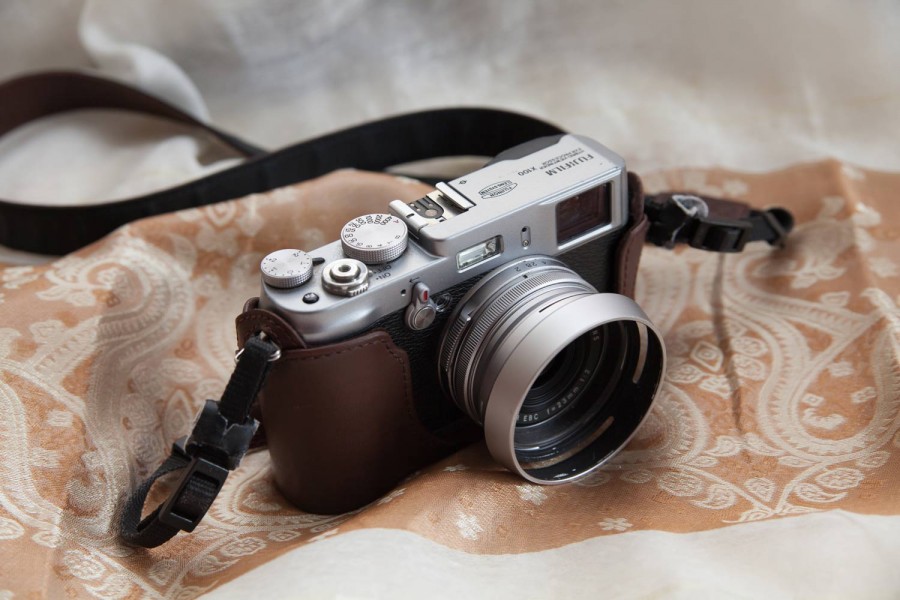
If you are OK with a fixed lens camera, there are great cameras such as later Ricoh GR and Fujifilm X100 series (get the upgraded models with S or T in them). I personally love my Fujifilm X100 and it’s hybrid viewfinder.
Those shooting bands in nightclubs (or black cats in coal mines) I would recommend SLR combined with a fast lens, at least lens with F2.8 aperture.
I would not buy a digital camera by Leica.
Film Camera Recommendation
Those who are into film photography get a real treat these days. Old film SLRs by Nikon for example are great cameras and they can found stupid cheap. (These are full frame cameras too, you know.) They also offer nifty features such as split image focusing using same technique as in rangefinder cameras.
Those looking for compact camera, I would recommend Fujifilm Klasse W, Fujifilm Natura, or Contax Tvs II.
Rangefinder cameras are also fascinating and there is huge appeal to them as they allow more intimate feeling of taking a photo. Leica’s M series are legendary cameras and if you have the money to get them, they will last you a lifetime. I personally love my Bessa R3m and I have nothing bad to say about it; for me it’s just like using a Leica. I have shot tons of Tri-X and Ektar with it.
Truth about film cameras is that there are a lot of them lying around someplace. Perhaps your father or mother has one hidden somewhere in the family cupboard. To experiment with these cameras can be exciting.
Conclusion
Spending time in gear forums and comparing different cameras is all time spent not taking photos. Think about buying a camera as long time commitment; as something that will be your special partner for long time. Use what you have, and take a lot of photos. No matter how great camera you acquire, you can’t take it with you after you die.