Embassy of Finland in Tokyo is so cool!
Hiyayaakko is on USTREAM tonight
今日の夜10.00からUSTREAMやります。カメラの話.
I’m on USTREAM tonight from 10.00PM JST (UTC +9 hours) talking about cameras we use.
Ideas for Self Portraits
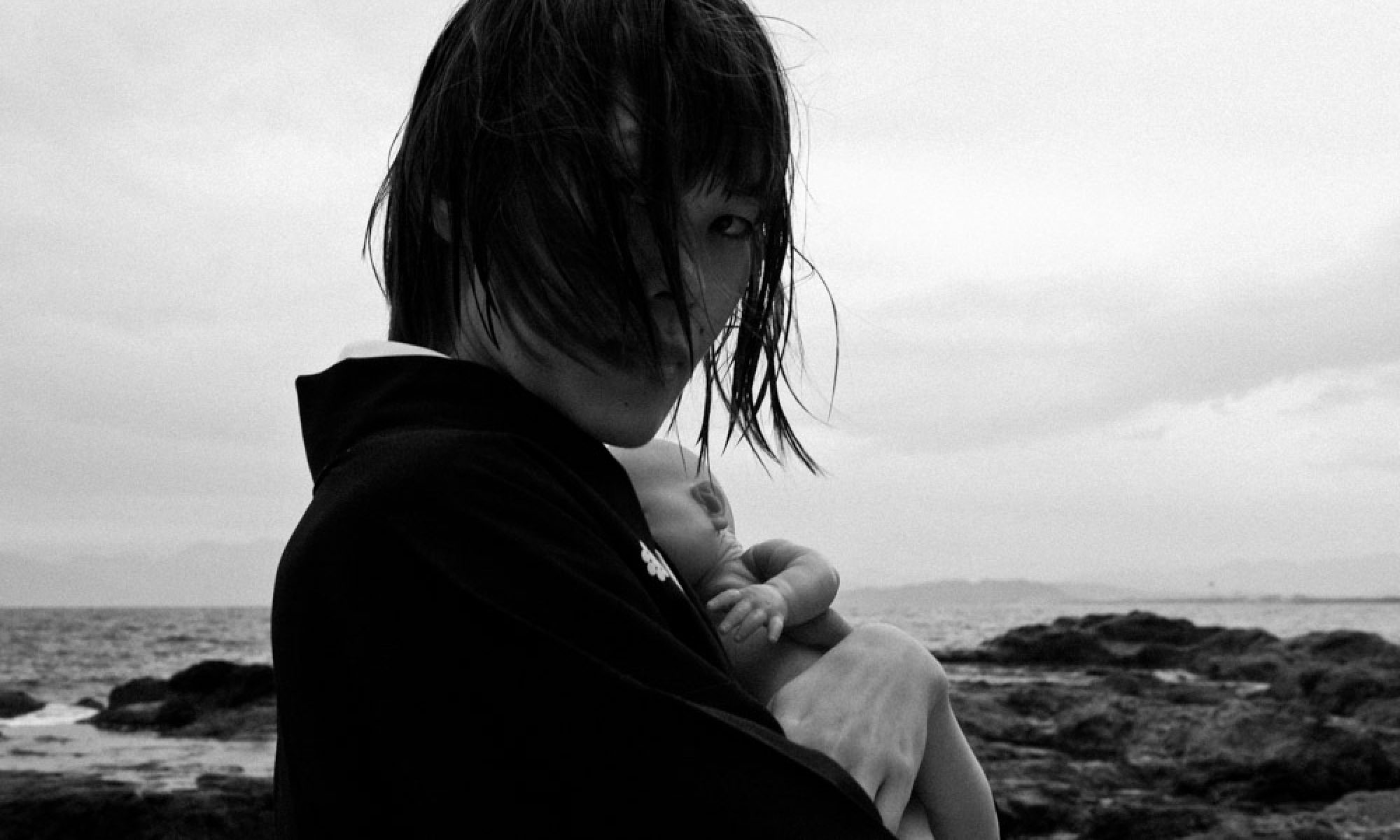
Taking self portrait is interesting. It takes usually plenty of shots until you can really get into that magical zone when things start to come. In first photos you are always nervous, but the tension is released when you keep pressing the shutter.
I took this image using a self made rig of tripod and monopod. My Fujifilm X100 is light enough to be propped this way, and it just works great.
Digital cameras nowadays really have the advantage of using high ISOs with very little noise, so usually you really don’t need to use flash unless the subject is moving fast.
Remember to have fun and experiment. That’s what photography is all about.
PS. The title of this photo is “Shrimp Dreamer”. My pose in this photo is actually a yoga pose “shrimp” which was taught by my yoga teacher.
What's Interesting Photo?
You know photos that attempt to tell a story.. Maybe the photo is just a photo of something ordinary, but it’s taken so that it shows the character of the photographer or the subject. Maybe it’s the situation that reveals something, or maybe photographer’s relationship to the context.
But there’s got to be something.
You know that dull feeling of seeing someone’s travel photos for example. Watching boring travel photos feels like a punishment. Photos that document hotel breakfasts, airplane wings or famous landmarks, for example..
While I suppose it’s possible to photograph airplane wing so that it’s interesting; I wish people were just a bit more creative what comes to selecting their subjects.
Immediately when there’s a person inside the frame, the photo becomes much more interesting. Especially if the person is doing something (except posing).
Eye catching photo is always something a bit different. Maybe it’s the geometry or composition of the photo, or maybe it’s the mere situation itself, or unique light.
Decayed buildings, for example used to be interesting, at least until they became a popular trend.There are tons and tons of photos of rotten and rusty buildings and the photos have nothing particularly interesting about them.
So.. context is not enough. A photo must have a soul. It’s not about mastering the technique of the photo, but getting into the right spirit of capturing the moment.
Henri Cartier-Bresson said that “photography is about placing heart, mind and eye in the same line of sight”. It requires understanding of geometry and framing. To achieve this kind of understanding, one must shoot a lot.
Learn the rules and then learn how to break them.
When to bring DSLR?
There’s no question that the mirror-less cameras are getting better and better. Since these digital cameras of the modern age are much easier to carry around and make such high quality photos, is there still place for DSLRs?
Definably yes. Here are five reasons why I think so:
- There is wide variety of lenses available for DSLRs. Although micro-four-thirds cameras are getting more high quality optics nowadays, the selection of lenses is just different range in DSLR cameras.
- Micro four thirds cameras simply don’t have as big sensor as DSLRs, and this usually result in lesser low-light performance. (Fujifilm X100 is a different animal in this sense because it has full APS-C size sensor) and..
- ..crop factor. Due to smaller sensor, mirror-less cameras have higher crop factor which means less control over depth of field.
- Optical viewfinder. Optical viewfinder. Optical viewfinder. Looking at that LCD screen on the back of the mirror-less camera just isn’t the same as peering through high quality optical viewfinder of DSLR and seeing the real optical image in front of you. Some cameras have a small thing you can put on the hot shoe, but then you get the parallax error.
- Continuous shooting speed. DSLRs usually have more robust processing system which allows images to be processed and written to memory cards much faster. (Usually. Some mirror less cameras are now shooting faster, however usually not continuously in RAW)
If I’m to shoot fast moving objects or people, or things in distance, I am probably bringing my 5D Mark II or 50D. Moreover, if I’m shooting some “serious” work in predetermined location or in a low light, I’m likely choosing DSLR because of above reasons. Full frame sensor is essentially same as it once was when shooting 35mm film. Can’t beat that.
However, I have seen people using mirror-less cameras even in studio environment (still life and still models!) and I can’t guess a good reason why it wouldn’t work just as well, especially if you shoot in RAW. Also many of the mirror less cameras have also hot shoe nowadays for flash units so..
Ultimately as Chase Jarvis would say, the best camera is the one you have with you.